Jul 28, 2026
The Hardest Part of Career Change Isn't the Risk
Most people think career change is about taking a leap. In reality, the hardest part is no longer knowing who you are professionally.
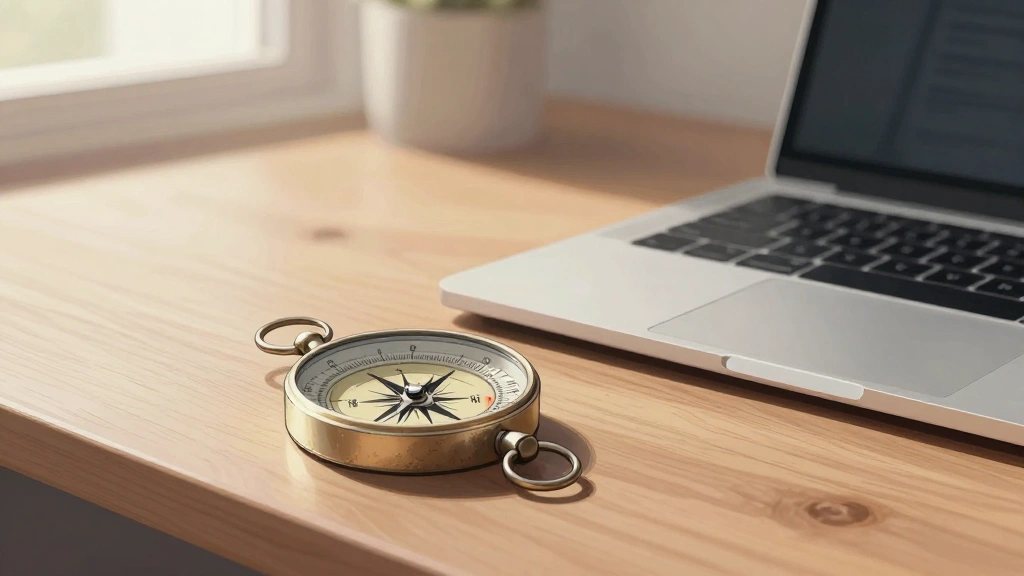
Most people believe the hardest part of changing careers is taking the risk.
Leaving a stable paycheck. Starting over. Explaining your decision to family and friends.
Those things are difficult.
But they’re usually not what keeps people stuck.
The hardest part is something much quieter:
Not knowing whether you can trust yourself anymore.
The Question Beneath Every Career Change
People often describe their situation as a practical problem.
- “Should I quit?”
- “Should I retrain?”
- “Should I accept this offer?”
- “Should I start a business?”
Those questions feel important because they’re concrete.
But underneath them is a much more personal question:
“Do I even know what fits me anymore?”
That’s the uncertainty that makes every decision feel heavier than it should.
You’ve Changed Faster Than Your Career Has
Most careers are built around an earlier version of ourselves.
The graduate.
The ambitious twenty-something.
The person who valued security above everything else.
The version of you who wanted titles, promotions, or simply a reliable income.
Then life happened.
Success changed your priorities.
Burnout changed your energy.
Parenthood changed your values.
Failure changed your perspective.
Experience changed what meaningful work actually feels like.
The problem isn’t that your career stopped working overnight.
It’s that you quietly became someone else.
That’s Why Advice Stops Helping
Friends tell you to follow your passion.
Career coaches tell you to update your résumé.
LinkedIn tells you to network more.
None of those are bad suggestions.
But they’re all built on one assumption:
That you already know who you’re trying to become.
When that part is unclear, every piece of advice feels equally possible—and equally wrong.
You don’t need more options.
You need a clearer understanding of yourself.
Confidence Doesn’t Come First
Many people wait to feel confident before making a change.
In reality, confidence is usually the result of clarity.
When your work aligns with who you’ve become, decisions stop feeling like guesses.
Not because the future becomes predictable.
Because you become understandable to yourself again.
That’s a very different kind of certainty.
Why ClearFit Starts Somewhere Else
Most career tools begin by asking what job you want.
ClearFit begins with something more fundamental.
It starts by gathering signals—from your experiences, preferences, patterns, and reflections—to build an accurate picture of who you are today.
Instead of immediately recommending a path, it reflects those signals back to you.
That moment matters.
If the reflection resonates, you’ve crossed an important threshold:
You’re no longer making decisions based on an outdated version of yourself.
Only then does the system help you explore your real question—whether that’s changing careers, finding meaningful work, or understanding why your current role feels off.
Clarity comes before action.
Because the hardest part of career change isn’t managing the risk.
It’s remembering who the decision is actually for.
The Real Starting Point
If you’ve been delaying a career move, don’t assume it’s because you’re afraid.
You may simply be trying to make a life-changing decision with an outdated map of yourself.
Before you ask where to go next, ask a different question:
“Am I making this decision for the person I used to be—or the person I’ve become?”
The answer changes everything.
ClearFit
See Where Your Work Creates the Most Value
If this essay feels familiar, the ClearFit diagnostic can help you understand where you naturally create value, what friction is getting in the way, and what kind of work fits best.
Share This Essay